Rubber Bumpers for Trucks and Logistics Vehicles
Last updated: 14 Aug 2026
365 Views
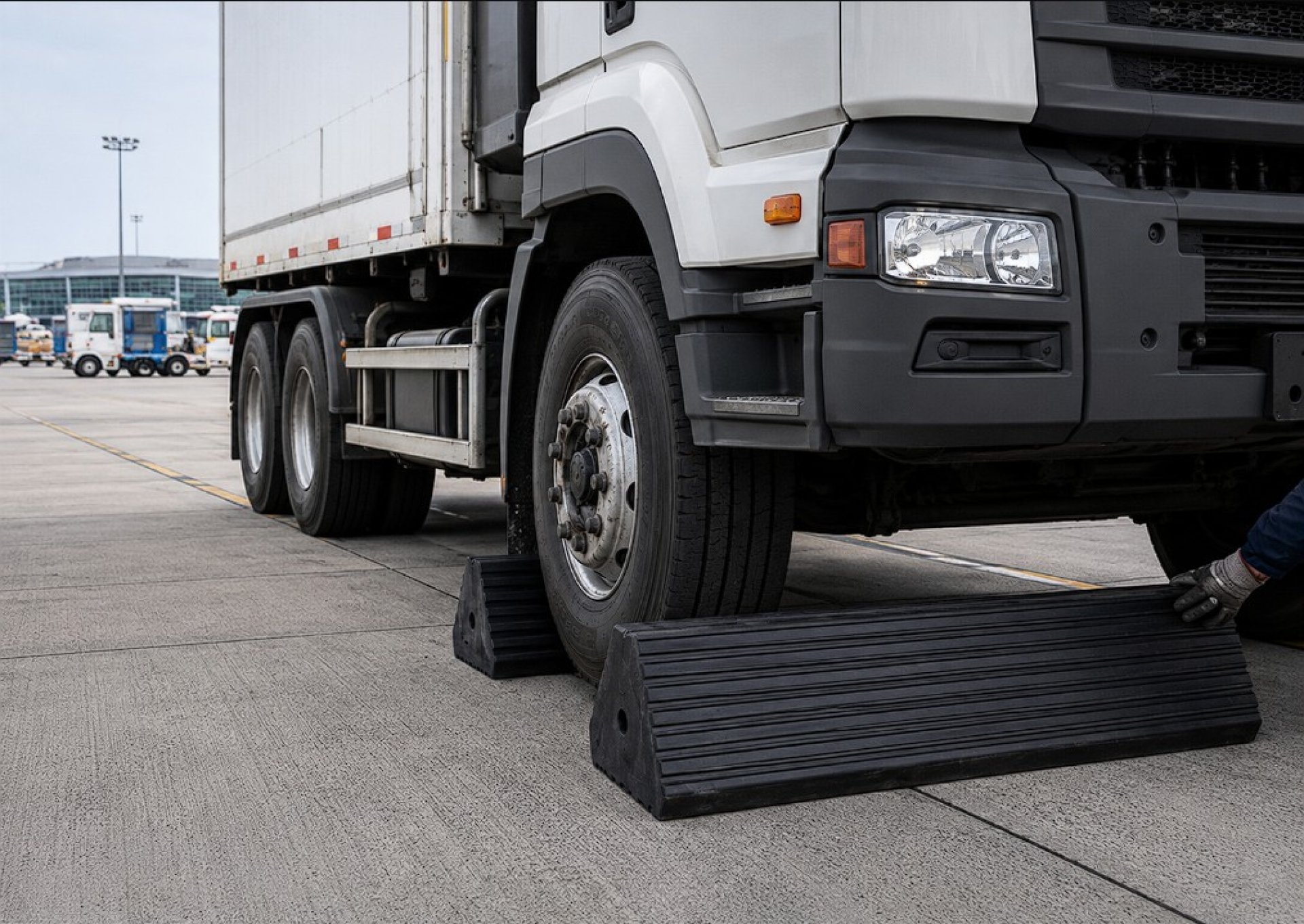
In the fast-paced and demanding world of logistics, every second counts, and every potential breakdown can mean significant financial losses. Trucks and other logistics vehicles constantly interact with infrastructure such as loading docks, warehouses, and loading and unloading areas. This inevitable physical contact, if not properly anticipated, can cause serious damage to both vehicles and facilities. This is where the vital role of rubber bumpers becomes crucial.
The Importance of Rubber Bumpers in Logistics Operations
A rubber bumper is a protective device made of solid rubber, designed to absorb impact and friction. Its primary function is to protect the vehicle body from scratches, dents, and even more severe structural damage, as well as to protect infrastructure from heavy vehicle impacts. Here are some reasons why rubber bumpers are so important:
- Optimal Vehicle Protection: Trucks and logistics vehicles often operate in crowded and confined environments. Rubber bumpers act as a primary cushion, absorbing impact energy, preventing direct damage to the chassis, lights, bumpers, and other vital components. This reduces repair costs and extends the vehicle's operational life.
- Infrastructure Protection: Warehouse walls, support beams, loading docks, and parking areas are susceptible to damage from vehicle impacts. By installing rubber bumpers on vehicles or infrastructure, the risk of cracks, breaks, or structural damage to buildings can be minimized.
- Increased Operational Safety: Heavy impacts not only damage property but can also endanger personnel working in the area. Rubber bumpers help reduce shock and vibration, creating a safer working environment.
- Long-Term Cost Efficiency: Despite the initial investment, using rubber bumpers significantly reduces unexpected costs due to vehicle or infrastructure repairs. It also minimizes operational downtime, ensuring smooth logistics workflows.
Choosing the Right Rubber Bumper: The Importance of Material Quality
There are various types of rubber bumpers available on the market, ranging from D-shaped, rectangular, cylindrical, to angular bumpers, each tailored to different needs and contact points. However, the most important factor in choosing a rubber bumper is the quality of the rubber material. Low-quality rubber will quickly wear out, crack, or lose its elasticity, making it ineffective at absorbing impact.
For industrial and logistics applications that demand high durability, choosing a rubber material with long-lasting durability, optimal elasticity, and resistance to extreme weather and abrasion is key. For example, products with dense rubber materials designed for exceptional durability, such as those provided by RUGONAL , offer high-quality rubber surface solutions that are highly relevant to these needs. Superior rubber materials not only guarantee maximum protection but are also a cost-effective long-term investment, as they require less frequent replacement. Be sure to consider rubber density, temperature resistance, and tensile strength when selecting.
Overall, rubber bumpers are more than just accessories, but essential components for maintaining the efficiency, safety, and sustainability of logistics operations. Investing in high-quality rubber bumpers will provide maximum protection for your valuable assets, whether vehicles or infrastructure, and ensure smooth operations. Consider the quality of the material and the reputation of the supplier to ensure you get the best solution suited to the specific needs of your fleet and logistics facilities.


Related Content