Anti-Slip Rubber for Disabled Access Ramps
Last updated: 29 Aug 2026
368 Views
The Importance of Anti-Slip Rubber on Disabled Access Ramps
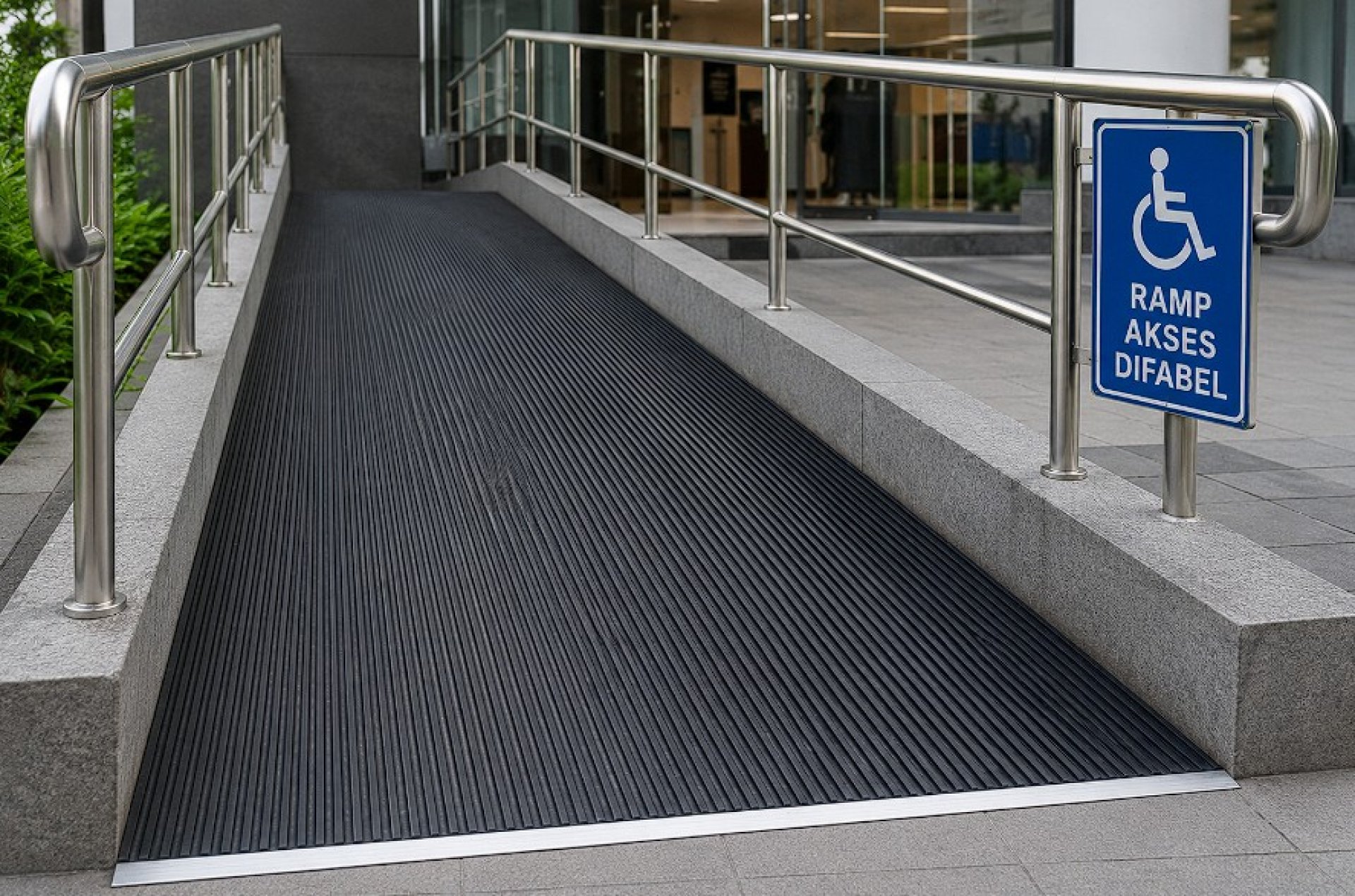
The need for universal accessibility is increasingly recognized, making ramps a crucial bridge to equal mobility. However, a ramp's effectiveness can be drastically reduced if its surface is slippery, especially when wet or damp. Non-slip surfaces, particularly those made of rubber, are a crucial solution to address this challenge. They are not merely an addition, but a necessity for user safety and comfort.
Why Anti Slip Rubber Is The Best Choice?
Rubber material offers a number of advantages that make it an ideal choice for disabled access ramps:
- Optimal Traction: Rubber naturally offers excellent grip, even in wet conditions. The special textured pattern on the anti-slip rubber surface further enhances friction, preventing slipping for wheelchair users, crutches, or pedestrians with limited mobility.
- Durability and Weather Resistance: Outdoor ramps are exposed to a variety of weather conditions. The slip-resistant rubber is designed to withstand UV rays, rain, and extreme temperature changes, ensuring long-term durability without premature wear and tear.
- Shock Absorption: The elastic properties of rubber help absorb shocks, reducing vibrations that wheelchair users may experience, and providing greater comfort when traveling.
- Noise Reduction: Rubber surfaces can reduce noise generated from wheelchair wheels or footsteps, creating a quieter environment.
- Easy Maintenance: Anti-slip rubber is generally easy to clean and maintain, simply by sweeping or rinsing it periodically.
Choosing the Right Anti-Slip Rubber Solution
When choosing materials, it's important to prioritize quality and durability. Solutions like RUGONAL rubber surfaces offer high safety standards, designed to provide maximum traction and resistance to various weather conditions and heavy use. RUGONAL's high-quality rubber materials not only meet functional standards but also ensure a long-term investment in a safe and comfortable facility. Consider the following factors when selecting:
- Material Quality: Make sure the rubber used is industrial grade which is wear-resistant and not easily brittle.
- Surface Texture: Select the optimal texture pattern for the area (e.g., striped, spotted, or diamond pattern).
- Thickness: Adjust the thickness of the rubber to the level of traffic and the weight of the load that will pass over it.
- Ease of Installation: Look for a product that is easy to apply and has strong adhesion to the base surface of the ramp.
Installing anti-slip rubber on accessible ramps is not simply an option, but an essential investment to ensure the safety, independence, and comfort of every individual. By choosing high-quality rubber materials, we not only prevent accidents but also demonstrate a true commitment to building inclusive and accessible facilities for people with disabilities. Prioritize materials that are proven to be durable and safe to create a truly accessible environment for all.


Related Content