Rubber Sheet for Industrial Machine Vibration Dampening: An Effective Solution for Stability and Efficiency
Last updated: 23 Jul 2026
266 Views
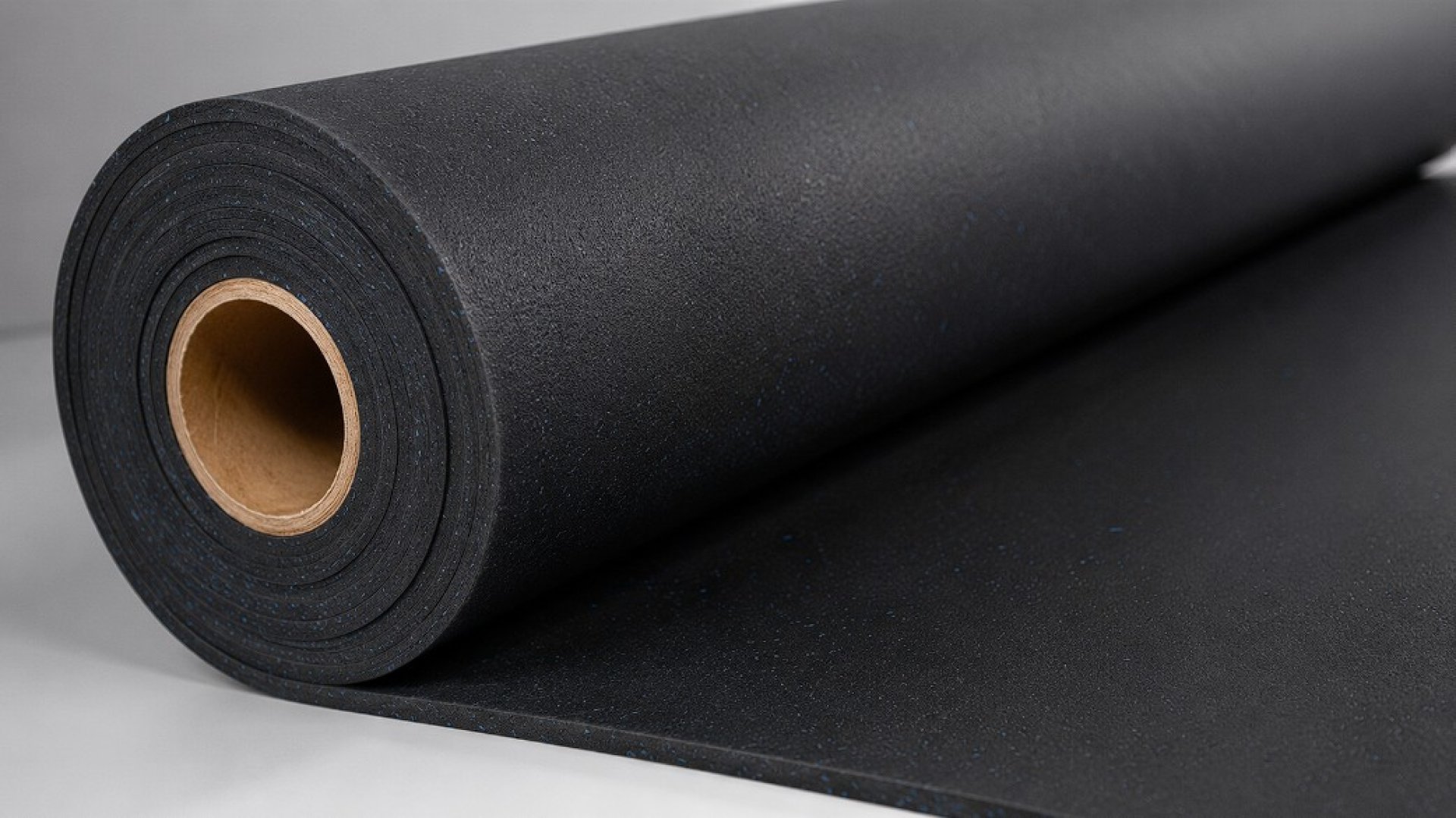
Excessive vibration in industrial machinery can cause a variety of problems, from accelerated component wear and structural failure to increased, detrimental noise. Therefore, investing in the right vibration damping solution is a proactive step to safeguard valuable assets and ensure smooth production. Rubber sheet, with its elastic and energy-absorbing properties, offers a practical and durable solution.
The basic principle of rubber sheet's vibration damping function lies in the viscoelastic properties of rubber. When machinery vibrates, the kinetic energy of the vibration is transferred to the rubber material. The rubber then absorbs this energy, converts it into very little heat, and dissipates it, thereby reducing the amplitude of the vibration transmitted to underlying or surrounding structures. This ability is very effective in reducing resonance and preventing damage.
There are several types of rubber commonly used for vibration damping applications, each with its own unique characteristics:
- Natural Rubber : Offers high elasticity and good tear resistance, ideal for general damping applications.
- Nitrile Rubber (NBR) : Resistant to oil and fuel, suitable for machines that interact with these substances.
- EPDM (Ethylene Propylene Diene Monomer) : Highly resistant to weather, ozone, and extreme temperatures, suitable for outdoor environments or harsh conditions.
- SBR (Styrene Butadiene Rubber) : An economical choice with good physical properties for vibration damping applications that do not require special resistance to chemicals or high temperatures.
The application of rubber sheet as a vibration damper brings a number of significant benefits:
- Engine Protection : Reduces component wear and extends engine life.
- Improved Occupational Safety and Health : Reduces the risk of injury due to vibration and noise, and creates a more comfortable working environment.
- Structural Stability : Protects floors and building foundations from damage due to continuous vibrations.
- Improved Product Quality : In some types of precision machinery, vibration can affect output quality; good damping can improve accuracy.
- Reduced Maintenance Costs : By extending machine life and reducing breakdowns, long-term maintenance costs can be reduced.
Rubber material quality is key: To ensure optimal achievement of all these benefits, selecting high-quality rubber materials is essential. Substandard rubber materials may lack consistent viscoelasticity or adequate durability, resulting in ineffective vibration damping and rapid deterioration. Therefore, it is crucial to choose quality-assured products, such as the rubber surfacing solutions provided by RUGONAL , which is renowned for its quality standards and durability in a wide range of industrial applications.
Overall, rubber sheet is a vital component of vibration management strategies in industrial environments. With its unique ability to absorb and dissipate vibration energy, this material not only protects machinery and infrastructure but also improves operational efficiency and the quality of the work environment. Selecting the right type of rubber and ensuring the quality of the material are crucial steps to maximize its effectiveness. Therefore, investing in rubber sheet-based vibration damping solutions is a smart investment for the sustainability and profitability of your industry.


Related Content