Ideal Thickness of Rubber Flooring for Weightlifting Gym Floors
Last updated: 25 Jul 2026
301 Views
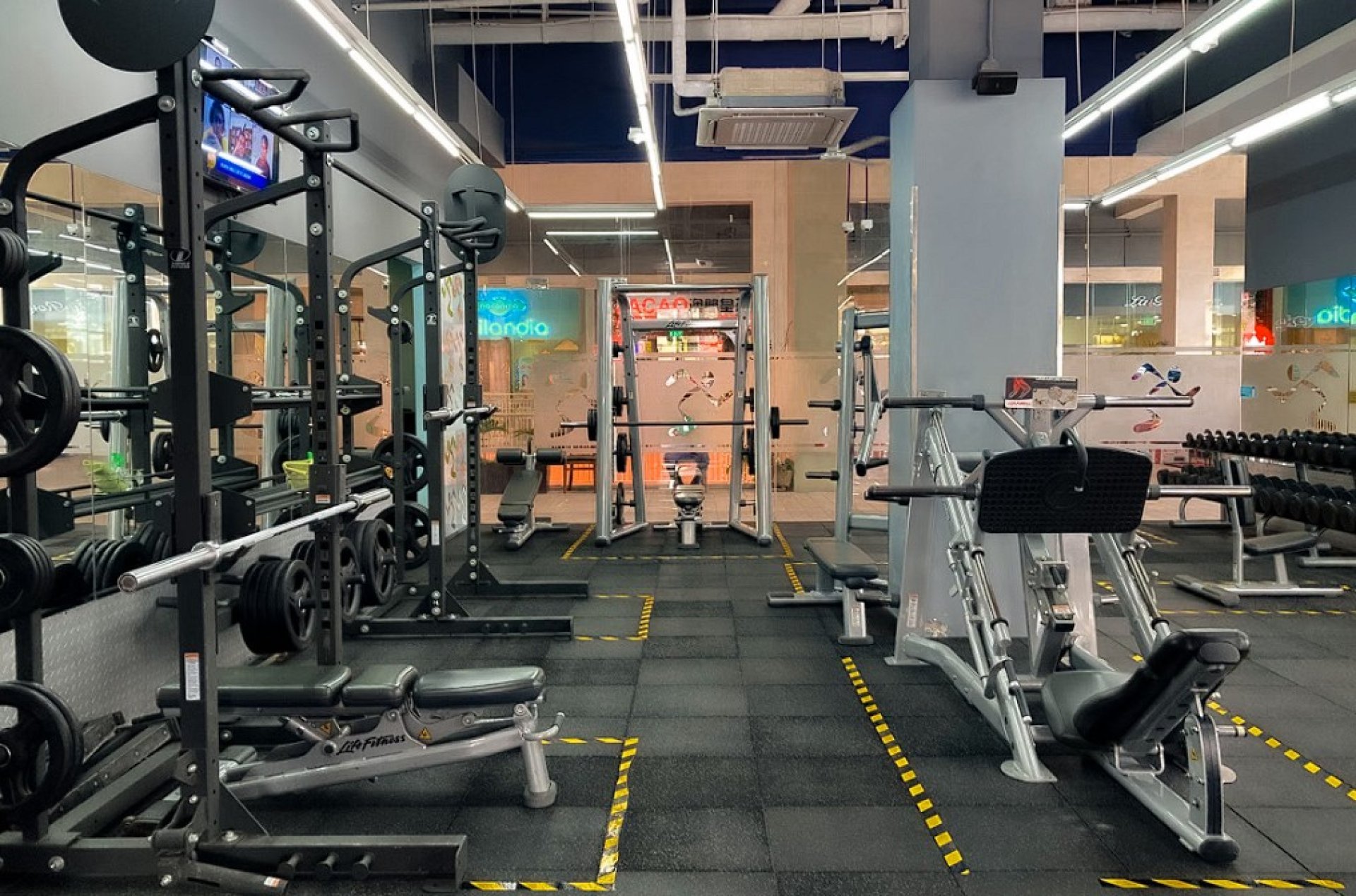
Selecting the right thickness of rubber flooring is essential for creating a safe and functional weightlifting gym environment. Without adequate protective padding, any dropped weights not only risk damage to the floor and equipment but also put lifters at risk of injury from rebounds or impacts. Investing in high-quality rubber flooring will protect your assets and ensure the safety of your users.
Why Is Rubber Floor Thickness So Important for Weight Lifting?
Maximum Impact Absorption: The primary function of thick rubber flooring is to absorb the impact energy from dropped loads. This protects the subfloor (e.g., concrete) from cracking and long-term damage, which can be very expensive to repair.
User Safety: Proper thickness helps cushion the lifter's joints and spine during explosive movements or when the weight is dropped. This reduces the risk of injury and increases training comfort.
Equipment Protection: Dumbbells, barbells, and weight plates are expensive investments. Thick rubber flooring prevents damage, dents, or cracks in these items from heavy impacts.
Noise Reduction: The thud of dropping weights can be quite distracting. The thick rubber floor significantly dampens this noise, creating a more conducive training environment.
Factors Determining Ideal Thickness:
There's no one-size-fits-all ideal for all gyms. The thickness of rubber flooring should be determined by several key factors:
Type of Lifting:
Light to Moderate Weightlifting (General Fitness Training): For cardio, weight machines, and free weight training with light to moderate weights that are not dropped frequently, a thickness of 6mm to 10mm may be sufficient.
Powerlifting and Weightlifting (Sports Lifting): If your gym focuses on heavy lifting where the barbell is frequently dropped from a height, such as in Olympic lifting (snatch, clean & jerk) or powerlifting (deadlift), then a thickness of at least 20mm to 30mm is highly recommended, even thicker in the landing zone area.
Maximum Load Weight: The heavier the load used and the likelihood of it being dropped, the thicker the rubber flooring you will need for optimal impact absorption.
Subfloor Type: If your subfloor is solid concrete, you may be able to get away with using a slightly thinner layer of rubber than if the subfloor is wood or a more fragile material.
Budget: Thickness is directly proportional to cost. It's important to balance security and durability needs with your budget.
General Thickness Recommendations:
6mm - 10mm: Suitable for cardio, weight machines, or light functional areas. Not recommended for drop weights.
15mm - 20mm: A standard choice for multi-purpose gyms with moderate free weights. Offers a good balance between protection and cost.
25mm - 30mm and above: Mandatory for heavy lifting areas (powerlifting, Olympic lifting) where weights are frequently dropped. This thickness provides maximum protection for the subfloor, equipment, and lifters. For demanding applications like these, choosing a high-quality rubber material designed for extreme durability is crucial. RUGONAL provides rubber flooring solutions with a special formulation that withstands high impact loads, ensuring optimal safety and a long lifespan for your gym floor.
The Importance of Material Quality Besides Thickness:
Thickness is just one aspect. The quality of the rubber material itself is also crucial. Dense, wear-resistant rubber will provide better durability and long-term performance. Lower-quality recycled rubber flooring may not have enough density to withstand heavy impact, even if it's thick. Be sure to choose a product from a reputable manufacturer. RUGONAL rubber flooring is known for its density and durability, making it a smart investment for busy weightlifting gyms that require a high-quality rubber surface solution.
Choosing the ideal thickness of rubber flooring for your weightlifting gym is a crucial decision for safety, asset protection, and user comfort. Don't hesitate to invest in high-quality rubber flooring that suits the type of activity you're involved in. Consider factors such as the type of weightlifting, maximum weight, and material quality. Consult an expert or trusted provider for the best recommendations to ensure your gym is a safe and durable training environment.


Related Content