Rugonal Strategy to Face Competition in the Global Rubber Industry
Last updated: 29 Jul 2026
468 Views
Competition in the global rubber industry is intensifying. Companies compete not only on price but also on product innovation, quality, operational efficiency, and commitment to sustainability. Rugonal, as a determined player, must develop a multi-dimensional strategy to ensure sustainable growth and strengthen its market position.
1. Product Innovation and Continuous Research & Development (R&D)
One of the key pillars of facing competition is relentless investment in innovation. Rugonal needs to allocate significant resources to R&D to develop new rubber formulations that are more durable, efficient, and environmentally friendly. Developing custom products for specific industry needs—such as automotive, construction, or even medical applications—will open up new market opportunities.
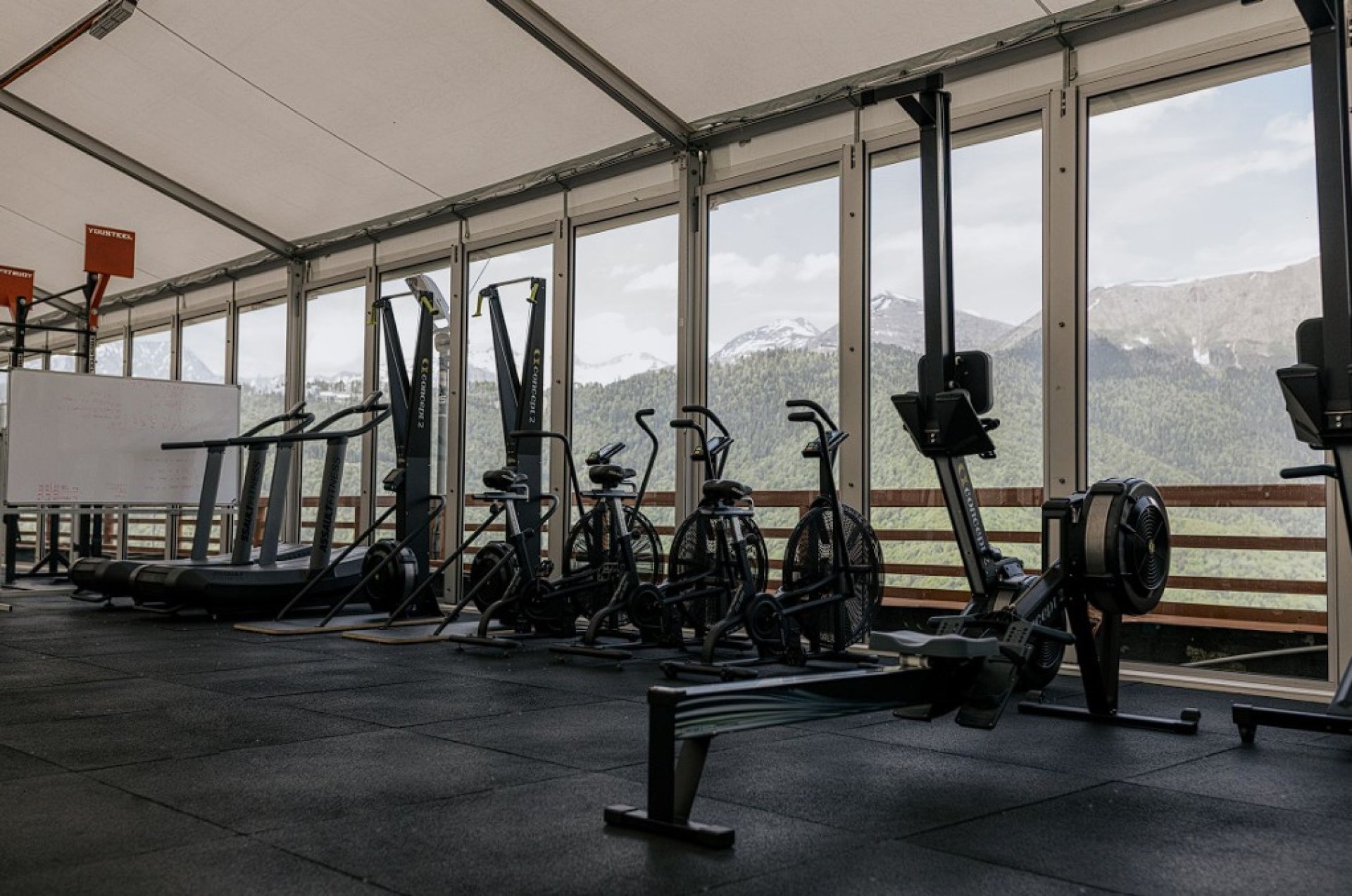
To meet these challenges, investment in R&D is crucial. RUGONAL understands that material quality is the foundation of any superior rubber product. Therefore, RUGONAL focuses not only on mass production but also on developing innovative rubber materials that offer superior durability, resistance to extreme weather conditions, and optimal performance for a wide range of applications. For example, in the context of industrial flooring, the use of RUGONAL's high-quality rubber materials significantly improves safety and comfort, while offering exceptional abrasion resistance, making them an ideal choice for high-traffic areas. This demonstrates RUGONAL's commitment to providing high-quality rubber surface solutions that are essential for long-term safety and durability across a wide range of sectors.
2. Market and Application Diversification
Relying on one or two market segments is high-risk amid global economic turmoil. Rugonal must actively seek opportunities in new markets and diversify its product line. This could mean geographic expansion into developing countries with high industrial demand, or penetration into underserved market segments, such as rubber components for renewable energy or advanced insulation materials.
3. Improving Operational Efficiency and Sustainability
Efficiency is key to maintaining price competitiveness without sacrificing quality. Rugonal must adopt the latest manufacturing technologies, optimize its supply chain, and implement lean manufacturing principles to reduce production costs and waste. Furthermore, a commitment to sustainability, from ethical sourcing of raw materials to environmentally friendly production processes, is not just a trend but a necessity that can enhance brand image and attract environmentally conscious investors and consumers.
4. Strengthening Branding and Global Distribution Network
Building a strong brand associated with quality, reliability, and innovation is an invaluable asset. Rugonal must invest in effective marketing strategies to highlight its product's advantages and build customer trust. Furthermore, developing an extensive and efficient distribution network, both through local partners and its own branch offices, will ensure Rugonal's products reach their target markets quickly and effectively.
5. Excellent Customer Service and Technical Support
In a competitive market, responsive after-sales service and technical support can be key differentiators. Rugonal must ensure its team is ready to provide technical consultation, troubleshoot problems, and build long-term relationships with customers. Understanding specific customer needs and providing tailored solutions will build loyalty and a strong reputation.
Facing competition in the global rubber industry requires a holistic and adaptive approach. By focusing on product innovation, market diversification, operational efficiency, brand strengthening, and superior customer service, Rugonal can not only survive but also thrive. Quality is an investment, and by upholding this principle, particularly in providing high-quality rubber surface solutions that ensure durability and safety, Rugonal will be able to solidify its position as a leader in the global market. Continuous adaptation to market dynamics and customer needs will be key to long-term success.