How Rubber Bumpers Work to Protect Building Structures
Last updated: 4 Aug 2026
404 Views
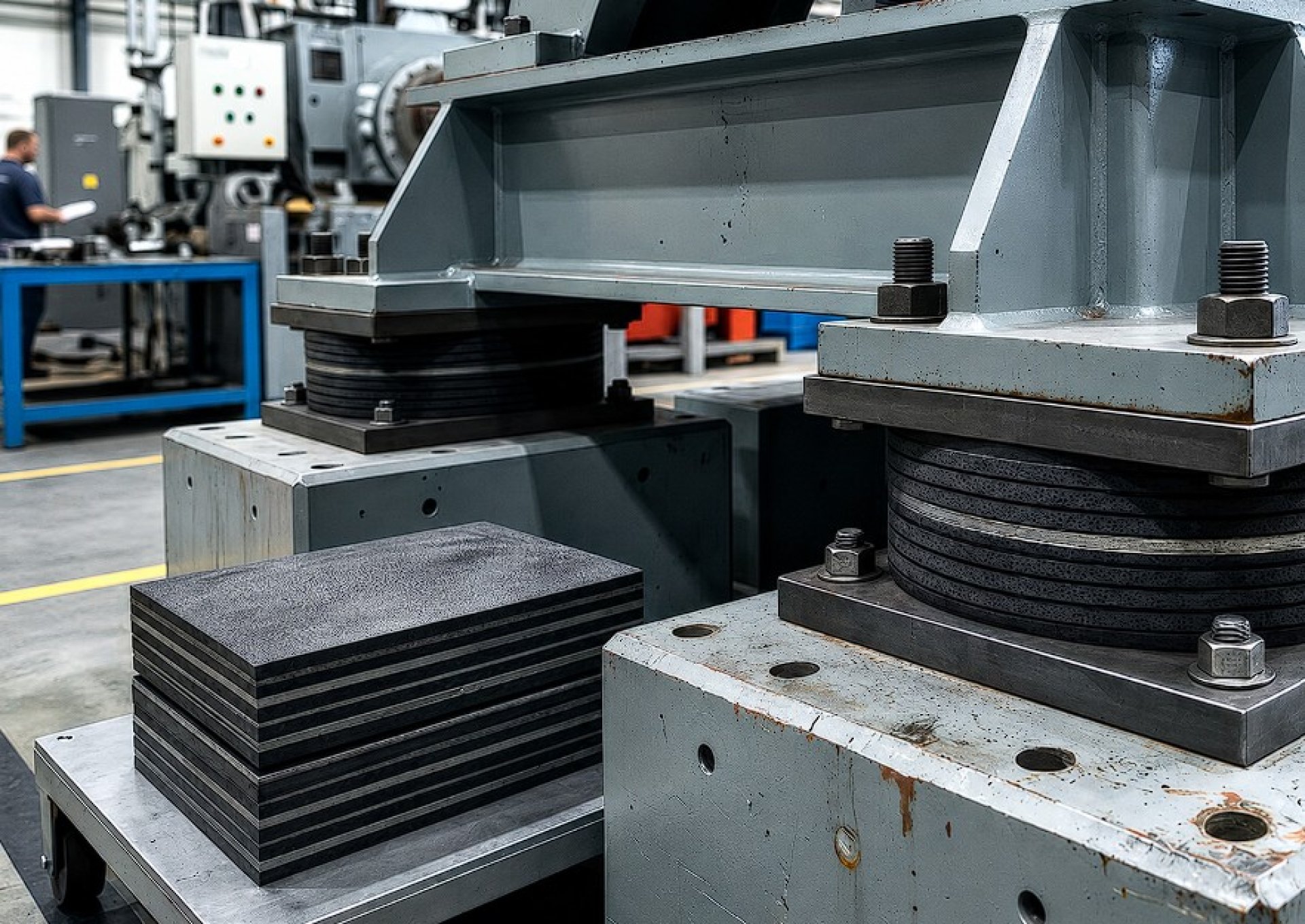
Rubber bumpers are a smart and efficient damage prevention solution. Their ability to protect building structures from various impacts depends on a combination of physical principles, material quality, and precise design.
1. The Physical Principle of Energy Absorption
The essence of how rubber bumpers work is their ability to absorb and dissipate the kinetic energy of an impact. When an object strikes a rubber bumper, the impact energy is not immediately transferred to the structure behind it. Instead, the bumper undergoes deformation – it is slightly compressed or deformed. This deformation process converts kinetic energy into elastic potential energy, which is then slowly released or converted to heat due to internal friction within the rubber material. Thus, the shock force reaching the building structure is significantly reduced, preventing cracks, dents, or other structural damage.
2. Vital Rubber Material Quality
The effectiveness of a rubber bumper depends heavily on the type and quality of the rubber material used. Good rubber should have high elasticity, resistance to repeated compression, and resistance to abrasion and environmental conditions (weather, chemicals). Low-quality materials tend to harden, crack, or lose their elasticity quickly, drastically reducing their protective effectiveness. It's important to choose rubber materials from a supplier committed to quality and durability. Premium rubber surface solutions, such as those offered by RUGONAL, ensure that each rubber product is designed for optimal performance, effectively absorbs impacts, and has a long service life, making it an ideal choice for bumper applications that require extreme durability.
3. Strategic Design and Placement:
Not only the material, but the design and placement of the rubber bumper also play a crucial role. Bumpers are available in various shapes and sizes, ranging from flat strips and D-shapes to cylindrical or corner guard models. The selection of the right design is tailored to the type of impact expected and the area to be protected. Strategic placement, for example at the corner of a wall frequently used by forklifts, loading docks, or parking areas, maximizes protection. The hollow design of some types of bumpers also increases their absorption capacity by providing more room for the rubber to deform.
4. Long-Term Benefits and Cost Savings
Investing in quality rubber bumpers, especially those made from high-quality materials, will provide long-term benefits. By preventing damage to walls, pillars, and equipment, you can reduce costly maintenance and repair costs. Furthermore, operational safety is also increased by reducing the risk of impact damage, creating a safer and more well-maintained work environment or facility.
Overall, rubber bumpers are an essential component of any building structure protection strategy. By understanding how they work, selecting high-quality rubber materials—such as the solutions provided by RUGONAL—and ensuring strategic placement, you can significantly extend the lifespan of your building and reduce maintenance costs. Don't underestimate the protective power these rubber components offer for the safety and sustainability of your infrastructure.


Related Content