Rugonal Explains the Custom Design Process Before Mass Production
Last updated: 31 Aug 2026
328 Views
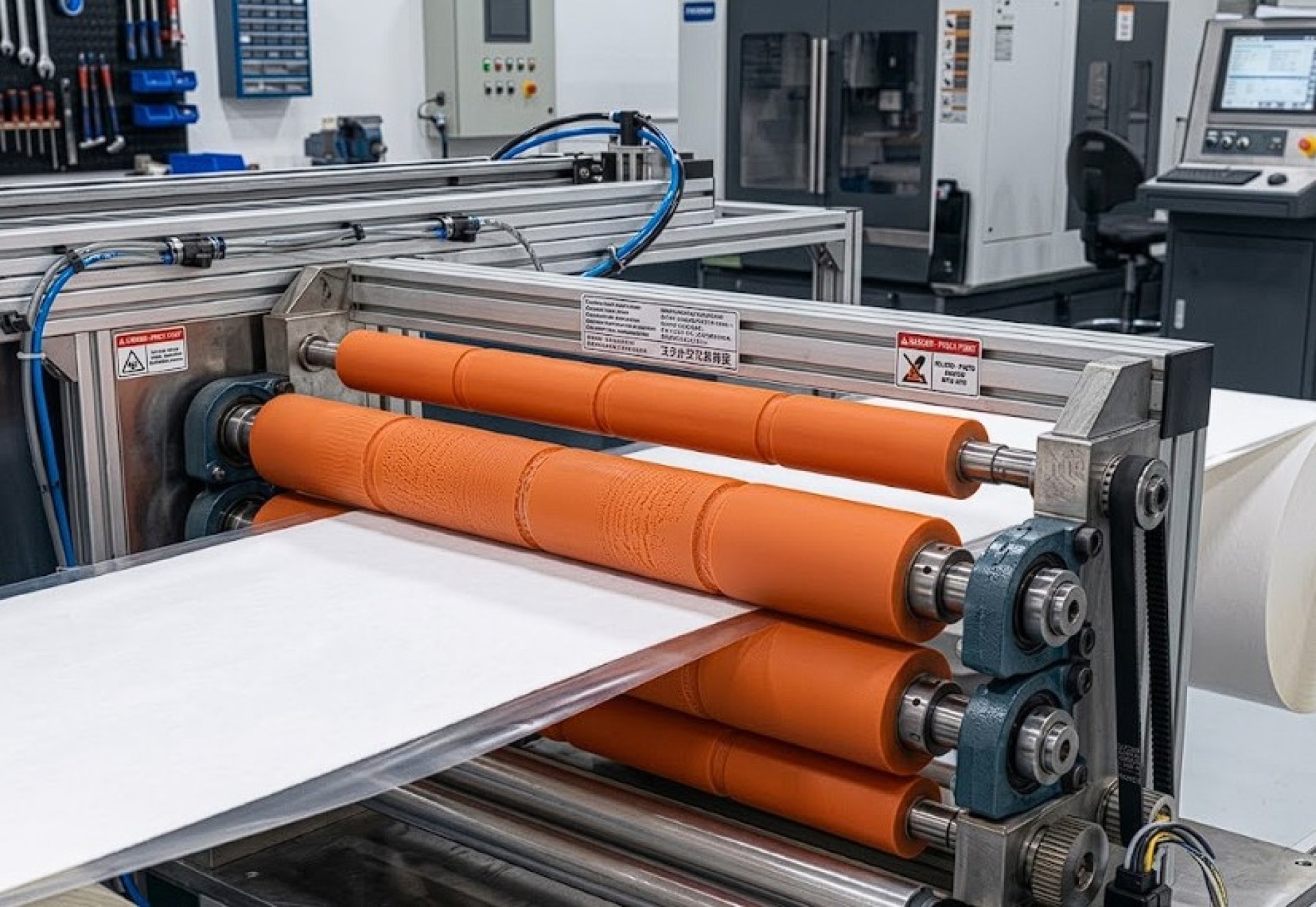
Entering the era of Industry 4.0, the need for customized rubber solutions is increasing, whether for industrial, automotive, or infrastructure applications. However, the success of custom products cannot be separated from a thorough and structured design process before reaching the mass production stage. Rugonal views this stage as a key investment to ensure quality, efficiency, and customer satisfaction. Let's dissect the important steps in the custom design process implemented by Rugonal.
1. In-depth Consultation and Understanding Client Needs
The initial stage is the foundation. The Rugonal team interacts directly with the client to comprehensively understand what is needed. This includes details of the product application, operational environment (temperature, pressure, chemical exposure), expected workload, and specific performance expectations. Every detail is compiled to ensure the right solution is targeted.
2. Material Analysis and Determination of Technical Specifications
After the needs are mapped, Rugonal analyzes the most suitable rubber material. In this stage, rubber material selection becomes crucial. RUGONAL, as a provider of high-quality rubber surface solutions, understands that product durability and performance are highly dependent on the type and quality of raw materials. We ensure each material recommendation has undergone rigorous testing to meet industry application standards and other specific needs, from abrasion resistance to optimal grip. This could be EPDM for weather resistance, SBR for tensile strength, or NBR for oil resistance. Technical specifications such as hardness (shore hardness), tensile strength, elongation, and temperature resistance are also determined.
3. Conceptual Design and Computer-Aided Design (CAD) Modeling
With the data and materials determined, Rugonal's design team begins conceptual design. Initial sketches are translated into 2D and 3D models using CAD software. This modeling allows for visualization of the product from multiple angles, identifying potential design issues, and optimizing form and function before moving into physical production. This is the phase where innovation and functionality meet. 4. Prototyping Once
4. Creating Prototype
CAD design is approved, the next step is to create a prototype. A prototype is a physical sample of a product created on a small scale or through rapid production methods such as 3D printing or a temporary mold. The goal is to test the design in a physical form, not just on paper or a computer screen.
5. Extensive Testing and Validation
The prototype then undergoes a series of rigorous tests tailored to its intended application. This may include load testing, abrasion resistance testing, weather resistance testing, chemical testing, or other specific functional tests. These tests are not just about functionality, but also safety and longevity. With RUGONAL rubber flooring solutions, for example, user safety and comfort are always top priorities. Our testing process reflects this commitment, ensuring each product meets performance expectations even under the most challenging conditions. The results of these tests form the basis for any necessary revisions.
6. Final Revisions and Approval
Based on the prototype testing results and client feedback, the design may undergo several revisions. This process is repeated until all specifications are met and the client is completely satisfied with the prototype's performance and appearance. Once all revisions are completed, final client approval is the green light for the next stage.
7. Mass Production Preparation and Planning
With the design approved, Rugonal moves on to mass production preparations. This involves creating precise tooling (molds), calibrating machines, and planning an efficient production schedule. Every detail is prepared to ensure mass production runs smoothly, consistently, and meets the high quality standards established from the outset.
A thorough custom design process ensures that the resulting rubber product will be functional, durable, and safe. By engaging Rugonal from the outset, clients receive not just a rubber product, but a solution that has been designed, tested, and validated to the highest standards. Investing time and resources in the early design phase will yield long-term cost savings, avoid costly mistakes, and ensure a superior final product. Choose a partner who understands the importance of every detail—choose Rugonal for your rubber solutions.


Related Content