Rubber Extruder for Container Door Seal
Last updated: 30 Sept 2026
160 Views
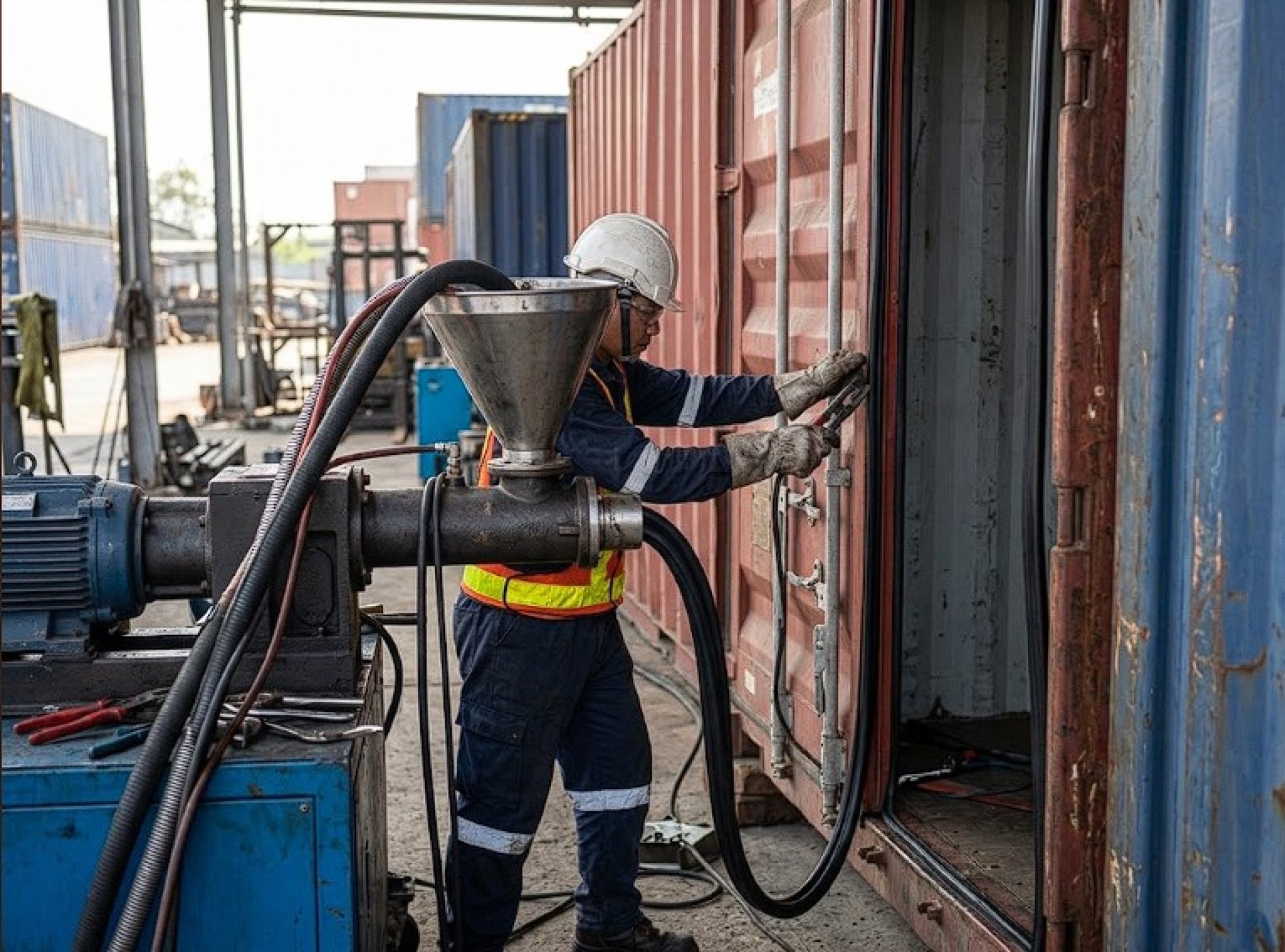
In the world of logistics and transportation, containers are the backbone of global freight movement. However, the efficiency and safety of containers depend heavily on one small but vital component: the door seal. This seal serves as the first barrier against external elements, keeping moisture, dust, insects, and temperature fluctuations out of the cargo. Creating a seal that can withstand extreme conditions requires a sophisticated manufacturing process, and this is where the rubber extruder plays a key role.
1. Critical Function of Container Door Seals:
Container door seals are more than just a rubber seal. Their function is multifaceted: preventing water and moisture from entering, maintaining a stable interior temperature (especially for refrigerated containers), protecting the cargo from dust and contamination, and providing the first line of defense against forced opening attempts. Seal failure can result in significant financial losses due to damaged goods.
2. Understanding Rubber Extruders:
Rubber extruders are machines designed to shape rubber materials into continuous profiles with specific cross-sections. The process begins with the rubber compound being fed into a hopper, which is then pushed by a rotating screw through a heated barrel. The plasticized rubber is then forced through a die or mold designed to the desired seal profile. The result is a long strip of rubber with a consistent and precise shape.
3. The Importance of Rubber Material Quality:
The quality of the rubber material is central to the durability of a container door seal. The material must withstand extreme temperatures (from scorching heat to freezing cold), UV radiation, ozone, friction, and chemical exposure. Good elasticity is also required so the seal can compress and return to its original shape without loss of function. This is where choosing a trusted rubber supplier that understands the industry's needs is crucial. High-quality rubber surfacing solutions, such as those offered by RUGONAL, ensure that the material foundation used for these seal profiles offers optimal durability and performance, guaranteeing long service life and reliability across a wide range of operating conditions.
4. Extruder Precision and Flexibility for a Wide Range of Profiles:
Modern extruders offer extremely high levels of precision, enabling the production of complex seal profiles with tight tolerances. This is crucial because container door seals come in a wide range of shapes and sizes to accommodate different door designs. The ability to quickly change dies also provides the production flexibility the industry requires.
5. Post-Curing Role:
After extrusion, rubber profiles are typically not fully cured or 'vulcanized'. This process requires post-processing steps, such as vulcanization in an oven or autoclave, to achieve the desired mechanical and chemical properties. This process ensures the rubber has optimal tensile strength, tear resistance, and shape stability.
Rubber extruders are key technology in ensuring every container sailing or traveling on the road is optimally protected through reliable door seals. Selecting the right rubber material, supported by a precise extrusion process, is an essential investment in maintaining cargo quality and logistics efficiency. For industries that depend on the durability and reliability of rubber seals, understanding the role of the extruder and the importance of high-quality materials is the first step towards trouble-free operations.


Related Content