Commercial Rubber Flooring: Rugonal's Solution for Buildings
Last updated: 10 Nov 2026
108 Views
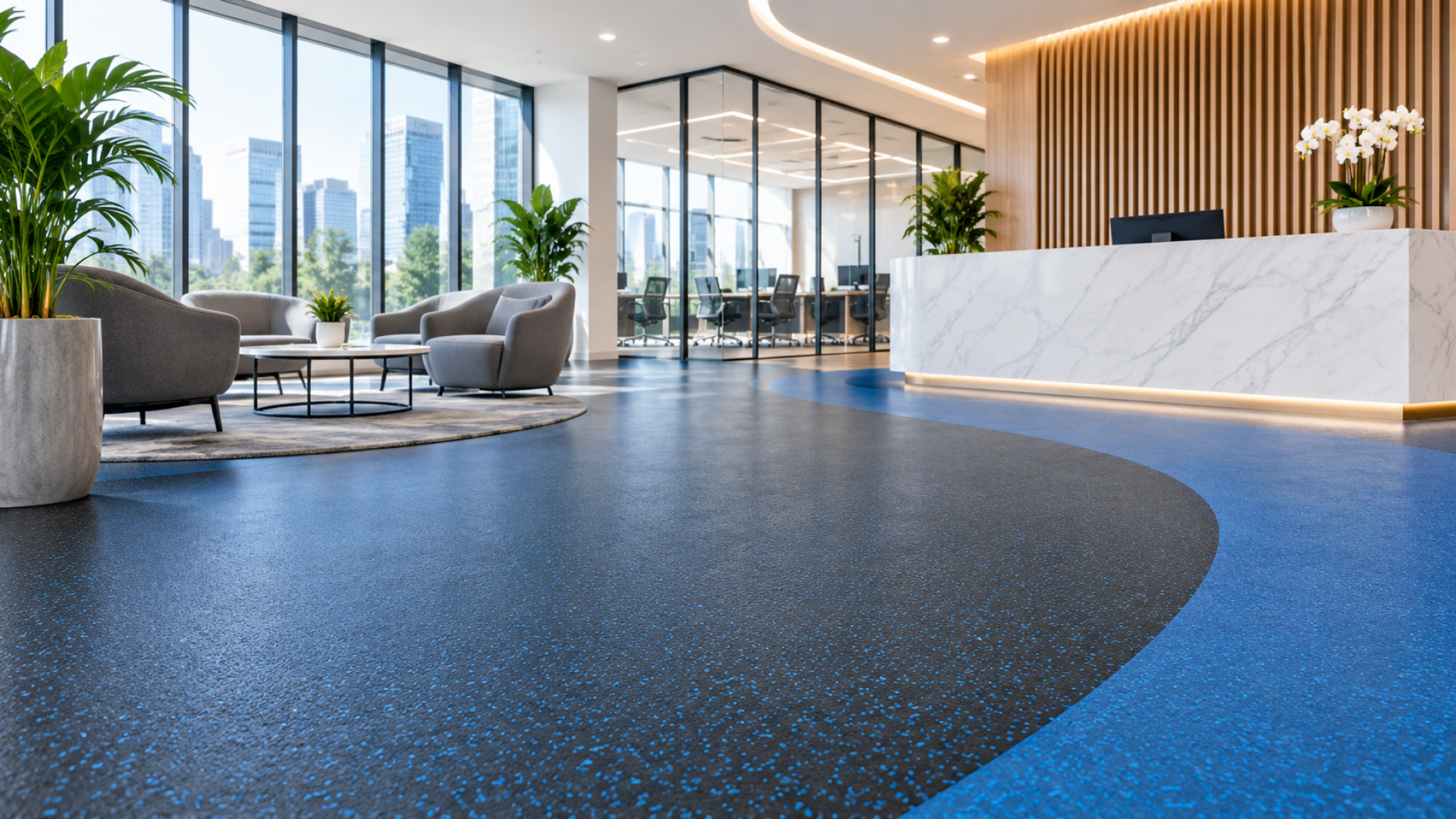
In modern architecture and building development, choosing flooring materials is no longer just about aesthetic considerations. Flooring is an essential element that influences building safety, comfort, durability, and long-term operational efficiency. This becomes even more important in commercial spaces with high levels of activity and foot traffic, such as office buildings, shopping centers, hotels, educational facilities, hospitals, and various public facilities.
Commercial spaces require flooring materials that can withstand intensive daily use. Foot traffic, furniture movement, equipment usage, and large numbers of visitors can gradually cause surface wear and tear. When the selected material does not provide adequate durability, flooring damage may occur more quickly, increasing the need for repairs or replacement.
One solution that is increasingly being considered to meet these requirements is rubber flooring. This material is known for its elasticity, durability, comfort, and wide range of design options suitable for commercial buildings.
Through its range of quality rubber products, RUGONAL provides rubber flooring solutions designed to support the needs of modern commercial spaces, with a focus on functionality, safety, and aesthetics.
Why Is Rubber Flooring Ideal for Commercial Spaces?
Choosing flooring materials for commercial buildings requires careful consideration of various technical and operational factors. It is not enough to select a material that simply looks attractive. The flooring must also deliver optimal performance throughout its service life.
Rubber flooring offers several characteristics that make it an attractive alternative to conventional flooring materials.
1. High Durability for Intensive Use
One of the main advantages of rubber flooring is its ability to withstand high levels of activity. Areas such as office corridors, public spaces, fitness centers, and other commercial environments require flooring surfaces that can handle repeated daily use.
Rubber materials offer elasticity and resistance to certain levels of pressure, making them suitable for demanding everyday activities. With the right material specifications, rubber flooring can provide a practical solution for areas that require resistance to abrasion, impact, and operational loads.
This durability can also help reduce the frequency of flooring replacement. As a result, building owners and facility managers can potentially optimize long-term maintenance costs.
2. Improved Safety with Anti-Slip Surfaces
Safety is an essential factor in commercial building design. Slippery floors can increase the risk of accidents, particularly in areas with heavy foot traffic or where surfaces may be exposed to water.
Rubber flooring can be designed with surface characteristics that provide better traction. The appropriate texture and material specifications can help reduce the risk of slipping during everyday activities.
In addition, the elastic properties of rubber materials provide impact-absorbing capabilities. This characteristic can help reduce the impact of falls compared to harder flooring surfaces.
To achieve optimal safety, the selection of rubber flooring should be adjusted to the room's function, environmental conditions, moisture levels, and applicable safety standards.
3. Acoustic and Ergonomic Comfort
Commercial environments, particularly office buildings, require comfortable surroundings to support productive daily activities. One factor that is often overlooked when selecting flooring materials is their ability to reduce noise.
Rubber flooring has elastic properties that can help absorb footstep sounds and reduce sound transmission caused by activities on the floor surface. This can contribute to a quieter environment, especially in areas with high levels of movement.
From an ergonomic perspective, the slightly flexible characteristics of rubber flooring can also provide a more comfortable walking experience. For employees and visitors who spend extended periods standing or walking, these characteristics may help reduce discomfort associated with prolonged contact with hard surfaces.
4. Practical and Efficient Maintenance
Ease of maintenance is an important consideration for commercial building managers. Areas with large numbers of visitors tend to accumulate dust, dirt, and stains more quickly, requiring regular cleaning.
Rubber flooring generally offers a surface that is relatively easy to clean using maintenance methods appropriate for its material type. Regular cleaning can help maintain the flooring's appearance while supporting a clean environment.
Additionally, certain types of rubber flooring offer resistance to specific chemicals. However, cleaning products should always be used according to the manufacturer's recommendations to prevent damage to the surface or material quality.
With proper maintenance procedures, rubber flooring can help facility managers keep commercial spaces clean, organized, and comfortable for everyday use.
5. Design Flexibility and Color Options
Flooring materials serve not only as functional construction elements but also as part of a building's visual identity. Office buildings, hotels, shopping centers, and public facilities often feature different interior design concepts.
One of the advantages of rubber flooring is the availability of various colors, textures, patterns, and surface finishes. This flexibility allows flooring materials to complement different interior concepts and meet the visual requirements of individual spaces.
For example, reception areas can incorporate color combinations that create a professional and modern impression. Meanwhile, corridors and workspaces can use more neutral tones to establish a comfortable and consistent atmosphere.
Color variations can also help distinguish activity zones, provide visual indicators, and support a more organized space management system.
6. Supporting Sustainable Building Concepts
Awareness of sustainable development continues to grow within the construction and architecture industries. Building owners are increasingly considering not only material quality but also the environmental impact of products throughout their production and usage cycles.
Some types of rubber flooring are manufactured using recycled rubber materials or components that can potentially be reused. These products can serve as an alternative for construction projects that place greater emphasis on environmental considerations.
However, the sustainability performance of each product may vary depending on its material composition, manufacturing process, product durability, and recyclability at the end of its service life.
Therefore, it is important to review product specifications and material information before selecting the appropriate flooring solution.
Commercial Areas Suitable for Rubber Flooring
Rubber flooring can be adapted to the specific requirements and characteristics of different types of buildings. The following are several commercial environments that may benefit from this material.
1. Office Buildings
Office buildings require environments that are comfortable, safe, and professional. Rubber flooring can be installed in corridors, selected workspaces, multipurpose rooms, and other supporting areas.
Its sound-absorbing capabilities and comfortable surface characteristics make it an attractive alternative for supporting employees' daily activities.
2. Shopping Centers and Retail Areas
Shopping centers experience high levels of visitor traffic. Every day, their flooring surfaces must withstand continuous foot traffic, goods movement, and the use of public facilities.
With the appropriate specifications, rubber flooring can be a suitable option for selected areas that require a combination of durability, comfort, and ease of maintenance.
3. Hotels and Hospitality Facilities
In the hospitality industry, guest comfort is one of the highest priorities. Flooring materials should complement the interior atmosphere while providing a comfortable user experience.
The variety of colors and textures available in rubber flooring allows hotel operators to match flooring designs with their interior concepts, whether in supporting areas, activity rooms, or other designated facilities.
4. Hospitals and Healthcare Facilities
Healthcare facilities require flooring materials that address hygiene, safety, and ease of maintenance. Rubber flooring with the appropriate specifications can be considered for selected areas because its surface is relatively easy to clean and can provide a comfortable walking experience.
Product selection for healthcare facilities should take into account hygiene requirements, resistance to cleaning agents, and applicable technical standards.
5. Fitness Centers and Sports Facilities
Fitness centers require flooring materials that can withstand intensive physical activities and the weight of various exercise equipment. The elastic characteristics and impact-absorbing capabilities of rubber make it a relevant flooring option.
This material can be used in weight-training areas, fitness rooms, and indoor sports facilities, provided that its thickness and specifications are appropriate for the intended application.
Tips for Choosing Rubber Flooring for Commercial Buildings
Although rubber flooring offers various advantages, selecting the right product requires careful consideration. Every building has different technical requirements, making it important to evaluate several factors before making a decision.
Here are some important considerations:
- Identify the room's function: Determine whether the flooring will be used in corridors, workspaces, public areas, or sports facilities.
- Consider traffic levels: Areas with heavy foot traffic require materials with durability suited to their usage intensity.
- Choose the appropriate thickness: Flooring thickness should be adjusted to impact absorption requirements, expected loads, and the characteristics of the subfloor.
- Consider the surface texture: Select a texture that supports safety and comfort according to the environmental conditions.
- Match the design with the interior: Consider colors, patterns, and surface finishes to ensure consistency with the building's architectural concept.
- Check product quality and specifications: Review technical information, installation recommendations, and maintenance guidelines provided by the supplier.
By considering these factors, building owners and facility managers can select a more suitable flooring solution while optimizing the long-term value of their investment.
RUGONAL: Rubber Flooring Solutions for Modern Commercial Needs
Choosing the right flooring material is an important part of creating commercial buildings that are safe, comfortable, and highly functional. Therefore, working with a rubber product supplier that understands industrial requirements is an important step in the project planning process.
RUGONAL provides rubber product solutions for various industrial and construction sectors, including rubber flooring and sports flooring systems.
With a focus on material quality, product characteristics, and project requirements, RUGONAL offers solutions that can support a wide range of flooring applications. From office buildings and commercial facilities to areas with specialized flooring requirements, selecting the right material is essential to achieving optimal results.
Every project has its own characteristics and technical specifications. For this reason, it is important to discuss the intended application, installation conditions, and expected performance before determining the most suitable flooring material.
RUGONAL is committed to providing rubber product solutions that support the needs of modern construction and facilities, with an emphasis on functionality, durability, and quality.
Conclusion
Rubber flooring is a flooring alternative worth considering for various commercial building applications. Its combination of elasticity, durability under everyday use, potential safety benefits, sound absorption capabilities, and design flexibility makes it a relevant solution for environments with high levels of activity.
In addition to providing comfort for building occupants, choosing the right material can help facility managers optimize maintenance costs and extend the flooring's service life.
For building owners, contractors, architects, and facility managers looking for flooring solutions for commercial projects, RUGONAL's rubber flooring can be an option worth considering.
Choose flooring materials that do more than enhance aesthetics. Invest in surfaces that deliver long-term functional value.
Contact RUGONAL to discuss your rubber flooring requirements for commercial buildings and facilities.